The United States has intensified its stance on the conflict in Sudan, accusing Russia of exacerbating the situation by funding both warring factions and designating the actions of the Rapid Support Forces (RSF) as genocide.
During a United Nations Security Council meeting on January 6, U.S. Ambassador Linda Thomas-Greenfield alleged that Russia is financing both the Sudanese Armed Forces and the RSF. She stated, “Russia chose obstruction: standing alone as it voted to imperil civilians while funding both sides of the conflict.”
The U.S. suggests that Russia’s involvement is linked to Sudan’s gold resources, implying that Moscow’s actions are driven by economic interests. In November, Russia vetoed a U.N. Security Council resolution calling for an immediate ceasefire and humanitarian aid delivery in Sudan.
In response, Russia’s Deputy U.N. Ambassador Dmitry Polyanskiy dismissed the allegations, accusing the U.S. of hypocrisy and exploiting international relations for its own gain.
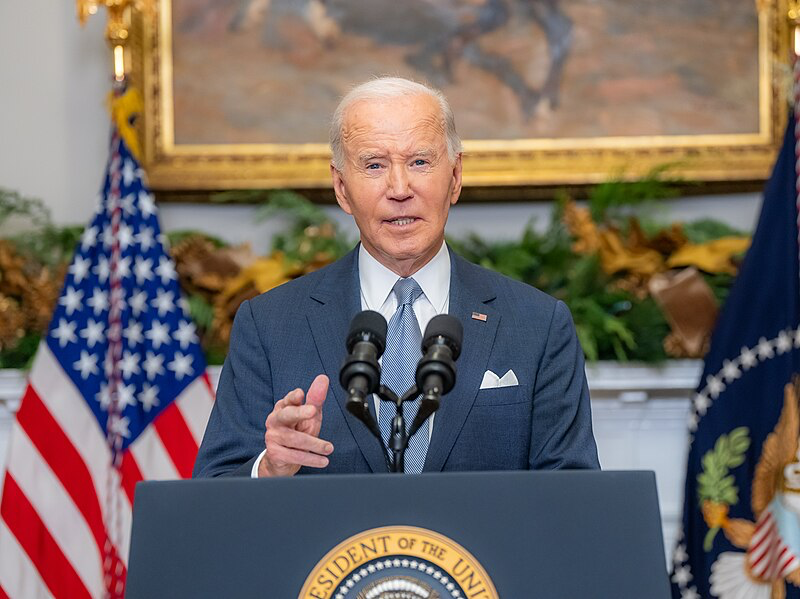
On January 7, the Biden administration declared that the RSF and its allied militias have committed genocide in Sudan. Secretary of State Antony Blinken stated that these groups have systematically targeted civilians based on ethnicity, engaging in acts such as murder and rape.
In response, the U.S. imposed sanctions on RSF leader Mohammad Hamdan Daglo Mousa, known as Hemedti, and associated companies based in the United Arab Emirates. These measures aim to hold the RSF accountable and encourage ceasefire negotiations.
The conflict, which erupted in April 2023 between the Sudanese Armed Forces and the RSF, has led to over 28,000 deaths and a severe humanitarian crisis, including famine and mass displacement. The U.S. has called for unimpeded delivery of humanitarian aid to alleviate the suffering of civilians.
The international community remains deeply concerned about the escalating violence in Sudan, with calls for immediate action to protect civilians and restore peace.