
Before Israel escalated its conflict with Hezbollah in September, US intelligence assessments warned of a potential all-out war that could result in hundreds or thousands of Israeli casualties. These assessments, based on similar analyses from Israel’s intelligence community, proved inaccurate within days, according to US and Israeli officials.
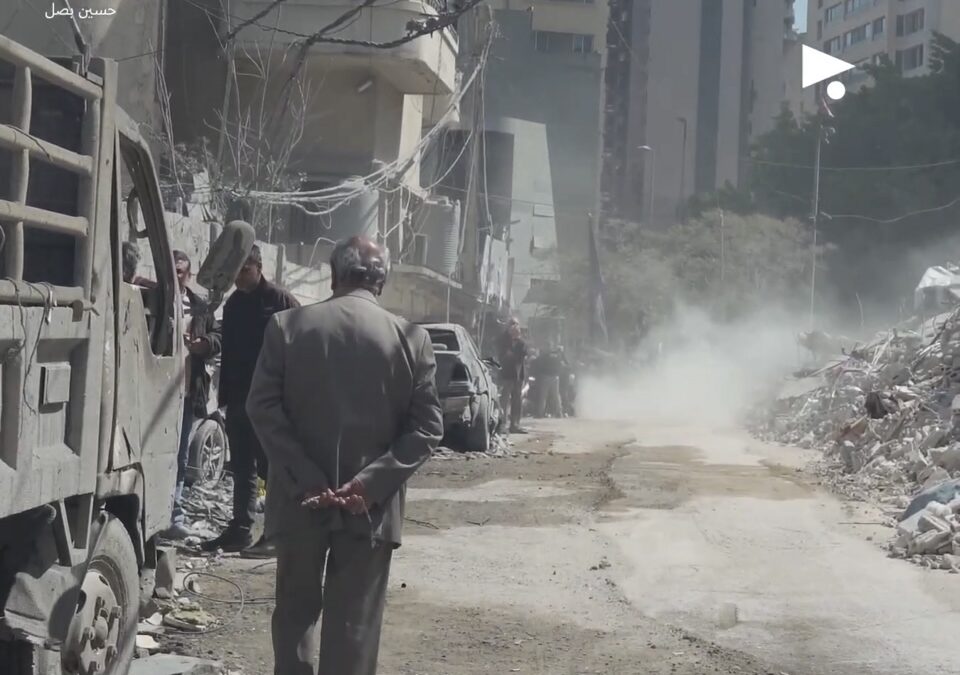
The Israel Defense Forces (IDF) quickly dismantled much of Hezbollah’s military infrastructure in southern Lebanon, destroyed its missile and drone capabilities, and targeted its senior leadership. Thousands of Hezbollah operatives were killed or wounded, many in large-scale detonations of the group’s communication devices. Despite Hezbollah’s expanded rocket and drone launches disrupting parts of Israel, the IDF’s overwhelming success led the Iran-backed group to agree to a ceasefire late last month.
US officials had anticipated a far graver scenario, fearing Hezbollah missiles would overwhelm Israel’s defenses and cause devastating casualties. “The assessments… were that this was potentially going to be a catastrophic war,” said one US official. However, Israel’s decisive actions fundamentally altered the trajectory of the conflict.
Initially, both Washington and Jerusalem shared concerns about the risks of escalation. US officials noted that Israel hesitated for months before launching the September offensive, acknowledging the potential costs. Yet, Israel moved forward, believing the offensive was necessary despite the risks.
The turning point came on September 17-18, when Israel detonated thousands of explosive-laden Hezbollah communication devices. Although the US warned against potential Iranian involvement, Israel pressed on. Subsequent IDF airstrikes eliminated Hezbollah’s elite Radwan force leadership and longtime secretary-general Hassan Nasrallah.
The IDF’s strikes on Hezbollah’s rocket depots further shifted US assessments. While Washington initially sought a 21-day ceasefire between Israel and Hezbollah, it abandoned the effort as Israel’s military gains mounted. US confidence grew after assisting Israel in thwarting a second Iranian missile attack, exposing Tehran’s limited ability to support its proxies.
Officials from both nations suggested the intelligence communities in the US and Israel may need to reassess their methodologies in light of the misjudged predictions.