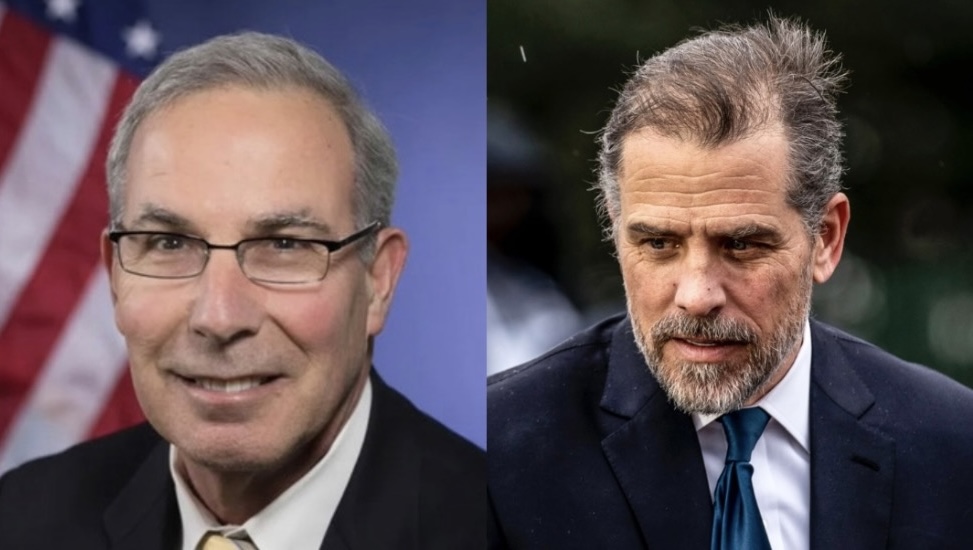
Special Counsel David Weiss dismissed allegations of selective prosecution in Hunter Biden’s cases, opposing the immediate dismissal of charges despite the recent presidential pardon.
In court filings, Weiss contended that no evidence supports claims of political bias in prosecuting Biden’s son for federal gun and tax crimes.
Biden granted Hunter a “full and unconditional pardon” on Sunday, reversing his previous stance that his son’s convictions should stand. In his statement announcing the pardon, Biden asserted that “raw politics… infected” the case against his son.
“There was none and never has been any evidence of vindictive or selective prosecution in this case,” Weiss wrote in the filings.
Hunter Biden notified federal courts in California and Delaware of the pardon, requesting the dismissal of his tax and gun charges. Weiss argued, however, that charges should not be dismissed with prejudice but rather ended procedurally by recording the pardon as the case’s final disposition.
Weiss maintained that the pardon does not negate Hunter Biden’s guilt or indicate flaws in the indictment. He emphasized that no court has supported Hunter Biden’s claims of prosecutorial misconduct. “If media reports are accurate, the Government does not challenge that the defendant has been the recipient of an act of mercy,” Weiss stated. “But that does not mean the grand jury’s decision to charge him, based on a finding of probable cause, should be wiped away as if it never occurred.”
He continued, “No court has agreed with the defendant on these baseless claims, and his request to dismiss the indictment finds no support in the law or the practice of this district.”
In their opposition filing, prosecutors also highlighted that they took the same stance regarding the dismissal of charges after former White House strategist Steve Bannon received a pardon.
“The court in Bannon found that, ‘[n]either the Government nor Bannon has cited authority binding on this Court as to whether the correct course is to administratively terminate Bannon, or to dismiss the Indictment against him,’” the special counsel noted.
In that case, U.S. District Judge Analisa Torres ruled in Bannon’s favor, pointing out that the “majority of courts” facing similar situations had opted to dismiss the indictment upon the pardoned defendant’s request. However, Torres also extensively cited case law indicating that accepting a pardon implicitly acknowledges the validity of the allegations.
U.S. District Judge Mark Scarsi, overseeing the tax case in California, has yet to rule on the dismissal request. In Delaware, Judge Maryellen Noreika, handling the gun case, indicated she would terminate proceedings once the pardon is formally recorded but asked Weiss to confirm if his office objects. Weiss subsequently filed a similar opposition in the Delaware case.
Hunter Biden had been scheduled for sentencing in both cases later this month.
Read the court filing here.