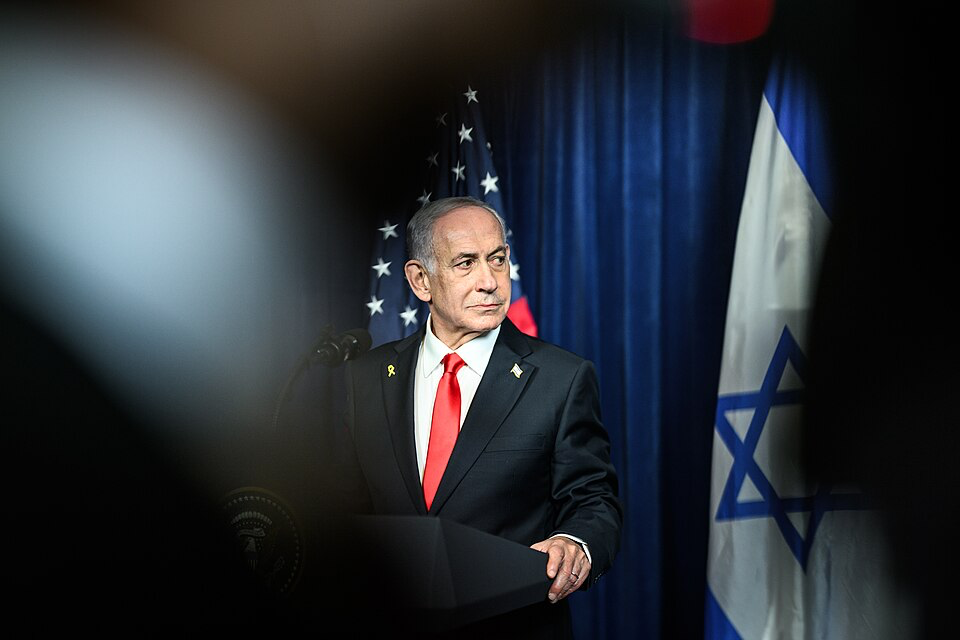

Prime Minister Benjamin Netanyahu announced Thursday that a last-minute disagreement with Hamas was delaying Israel’s approval of a highly anticipated ceasefire that aims to pause the ongoing conflict in the Gaza Strip and secure the release of dozens of hostages.
Netanyahu’s office attributed the delay to Hamas, accusing the group of backing out of the agreement and creating “a last-minute crisis that prevents a settlement.” This development followed announcements by the United States and Qatar, a key mediator, who had declared the deal finalized earlier. The discrepancy left Palestinians in Gaza, hostage families, and world leaders caught between relief over the prospect of a ceasefire and uncertainty about its implementation.
The Israeli Cabinet was set to vote on the agreement Thursday, but Netanyahu postponed the meeting, stating that negotiations would not proceed until Hamas reversed its position. According to a U.S. official involved in the talks, the disagreement centers on the distance Israeli forces would withdraw from a densely populated area in Gaza.
Netanyahu faces mounting pressure at home to secure the return of hostages while navigating threats from his coalition partners. National Security Minister Itamar Ben Gvir has already opposed the deal, and Bezalel Smotrich criticized it, demanding assurances that Israel can resume military operations if needed. The departure of these factions could destabilize Netanyahu’s government, potentially triggering early elections.
As hopes for a resolution lingered, Gaza endured intense bombardment. Local residents described heavy overnight airstrikes, a pattern seen in previous conflicts where both sides intensified military actions ahead of ceasefires. Gaza’s Health Ministry reported at least 72 fatalities since the ceasefire deal’s announcement, cautioning that the true toll could be higher.