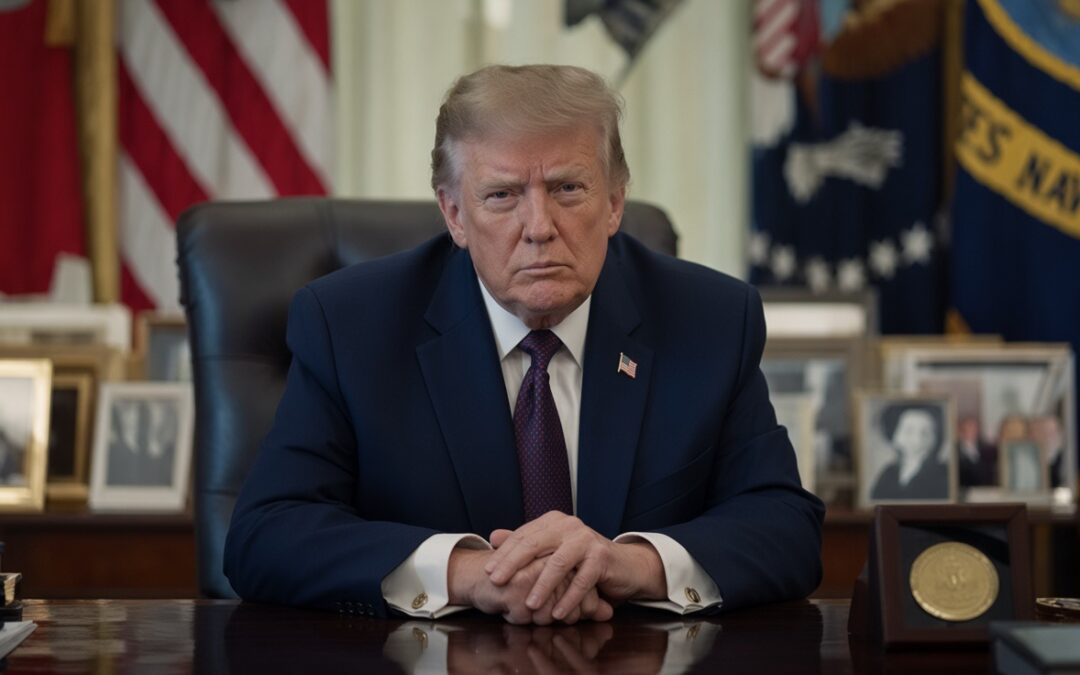

The 1st U.S. Circuit Court of Appeals ruled 2-1 on Saturday to deny the Justice Department’s request to pause a lower court injunction, leaving in place a block on several provisions of President Trump’s executive order on election integrity through the Nov. 3 midterms.
The ruling keeps federal agencies from enforcing key parts of Executive Order 14399 in the plaintiff states. Those parts include directives to the U.S. Postal Service to establish new handling standards for mail-in ballots, to the Department of Homeland Security to compile and share lists of confirmed eligible citizens with states, and to the Justice Department to prioritize investigations of state and local officials who send federal ballots to ineligible recipients.
Trump signed the order in March. The administration argued the lawsuit was premature because agencies had not yet finalized implementing rules. The appeals panel majority rejected that claim, finding the states already faced rapidly approaching deadlines under the order and had no practical choice but to begin preparing for compliance.
“As the district court reasoned, the (executive order) lays out a clear set of rapidly approaching deadlines by which states must coordinate with federal officials and comply with new voting procedures,” the majority wrote. “The Plaintiff States have no practical choice but to respond to the (order) now.”
The case was brought by California, Massachusetts, Nevada and Washington, later joined by 19 other states and the District of Columbia. The states contend the Constitution assigns primary authority over the administration of federal elections to the states rather than the president. U.S. District Judge Indira Talwani accepted that argument in June and enjoined several provisions of the order as likely exceeding presidential authority.
The Justice Department asked the Supreme Court Monday to reinstate parts of President Trump’s election integrity executive order, including directives for USPS to update federal mail-ballot procedures, arguing lower courts blocked the policy before any final agency action.