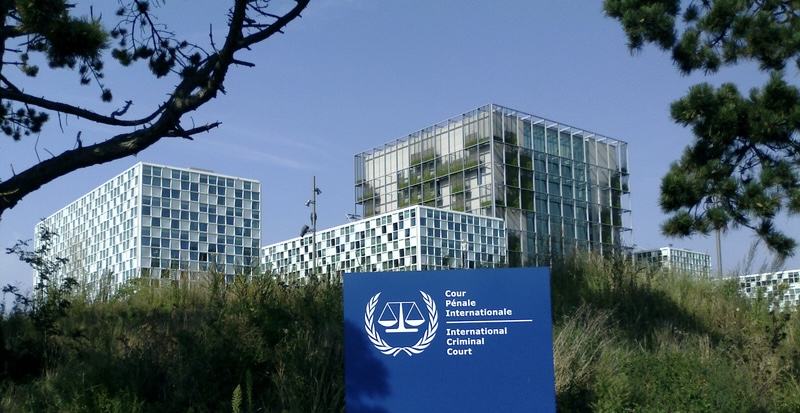
The Trump administration on Friday imposed sanctions on the International Criminal Court (ICC), the action occurring hours after Navi Pillay, a former ICC judge, was awarded the 2026 Nobel Peace Prize.
Secretary of State Marco Rubio said the U.S. is sanctioning the International Criminal Court (ICC) to prevent it from prosecuting Americans, cutting off transactions and resources to cripple its operations. He urged U.S. allies that belong to the ICC to rein in the court, adding that the measures allow time to negotiate a solution addressing U.S. concerns. “Either the ICC will end its threats, or we will end the ICC,” Rubio said.
South African jurist Navi Pillay served on the ICC’s Appeals Chamber from 2003 to 2008. The Norwegian Nobel Committee recognized her for “promoting peace and international law.” Pillay also served as president of the International Criminal Tribunal for Rwanda and as UN High Commissioner for Human Rights.
The sanctions target the court as an entity and could affect companies that provide services to it. All property and interests in property of the ICC that are in the United States or in the possession or control of U.S. persons are blocked and must be reported to the Office of Foreign Assets Control.
Previous US measures under the Trump administration had targeted individual ICC judges and prosecutors.