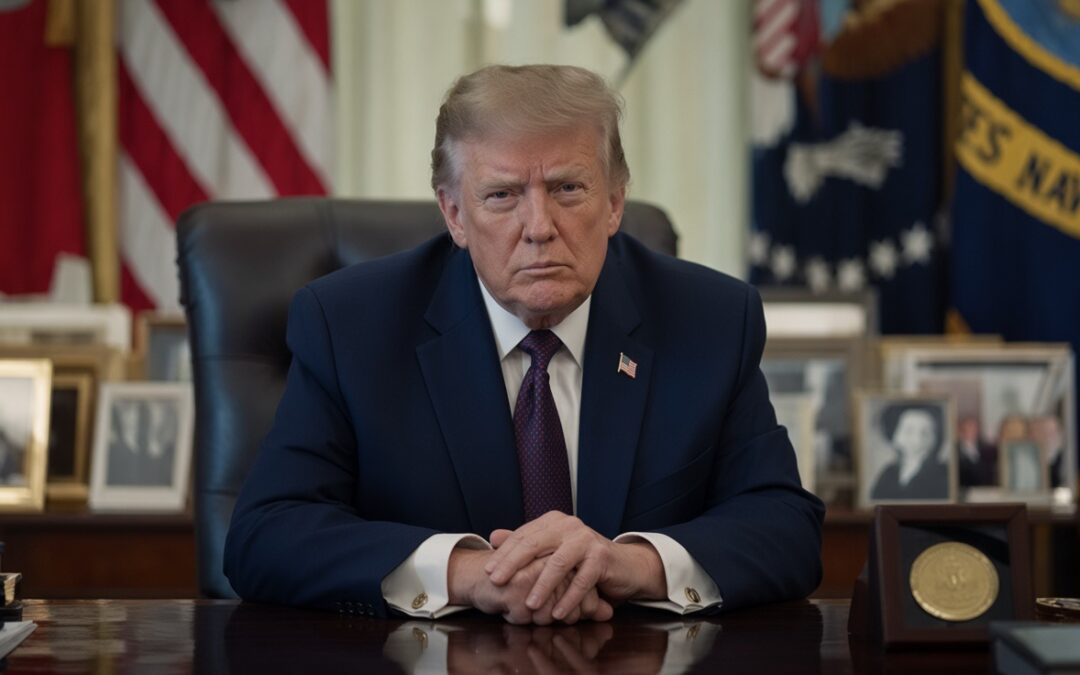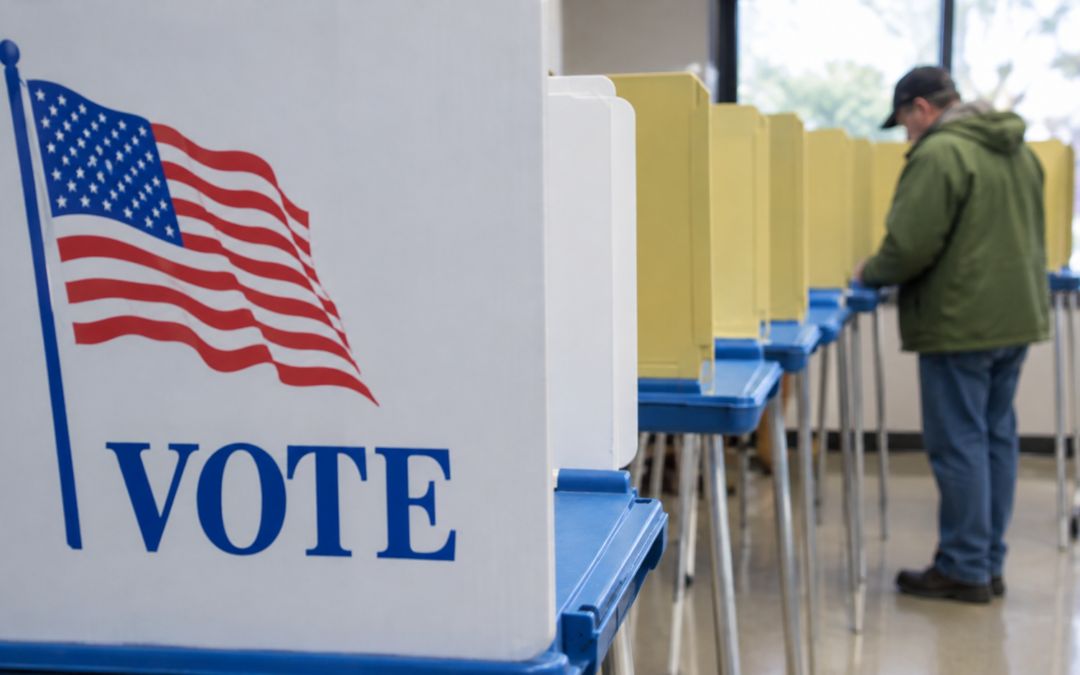
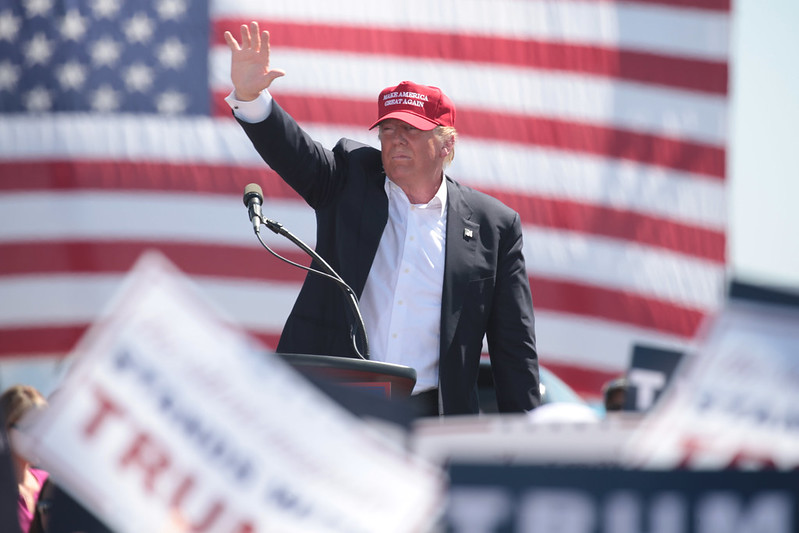
With less than four weeks until Election Day, President Trump is embarking on a surprising strategy: holding rallies in deeply Democratic states. Campaign advisers say the plan is to highlight the failures of Democratic policies, even if it keeps him away from the battleground states that are likely to determine the election’s outcome.
Trump has scheduled events in Colorado, California, Illinois, and New York. Colorado is the only one of these states to have voted for a Republican nominee in the last two decades. Among the events, the most notable will be held at Madison Square Garden, a venue Trump has long wanted to use for a political rally. According to a senior Trump campaign adviser, high-profile locations like this ensure media coverage, broadening the reach of his message to voters across the country, including in crucial swing states.
“President Trump is closing the campaign highlighting the problems the country faces as a result of Harris and Biden’s failed leadership articulating his solutions to solve the problems they created,” the adviser said.
This unconventional approach comes as the race is expected to be decided in swing states like Georgia, Pennsylvania, Nevada, and Michigan, where polling shows a tight contest between Trump and Harris. Longtime Republican strategist Matthew Bartlett described the move as a departure from traditional campaign tactics, speculating that it’s more about optics and vibes than winning over critical swing voters. However, Bartlett acknowledged that Trump’s unorthodox style could pay off, as it did in 2016 when he realigned the Republican base around rural and working-class voters.
Another Trump adviser emphasized that Trump’s rallies, regardless of location, draw significant online viewership, which includes voters in swing states. They expressed confidence in the campaign’s prospects, noting that it allows them to take risks by targeting non-traditional states.
Some supporters believe that Trump’s appearances in these Democratic strongholds could have a coattail effect, helping Republicans in tight down-ballot races. While there are no competitive Senate races in the states where Trump is visiting, there are several closely contested House seats, including California’s 40th and 41st districts and New York’s 4th district, which helped secure the GOP House majority in 2022.
Ed McMullen, a Trump donor and former ambassador, praised the strategy, calling it a “well-planned effort” that could unify voters and boost Republicans in key House races. Bartlett, the GOP consultant, agreed that some of these stops could influence congressional outcomes.
Trump’s Chicago stop will feature both Trump and his running mate, Ohio Sen. JD Vance, at a Bloomberg-hosted event at the Economic Club of Chicago, further raising the profile of Trump’s high-impact venues.
As the campaign winds down, Trump’s team insists that each move is intentional. GOP strategist Tricia McLaughlin speculated that the rallies are either a show of strength or part of a psychological game to boost enthusiasm. “With 27 days to go, nothing is unintentional,” she said, hinting that there might be a strategic reason behind Trump’s push into blue territory.