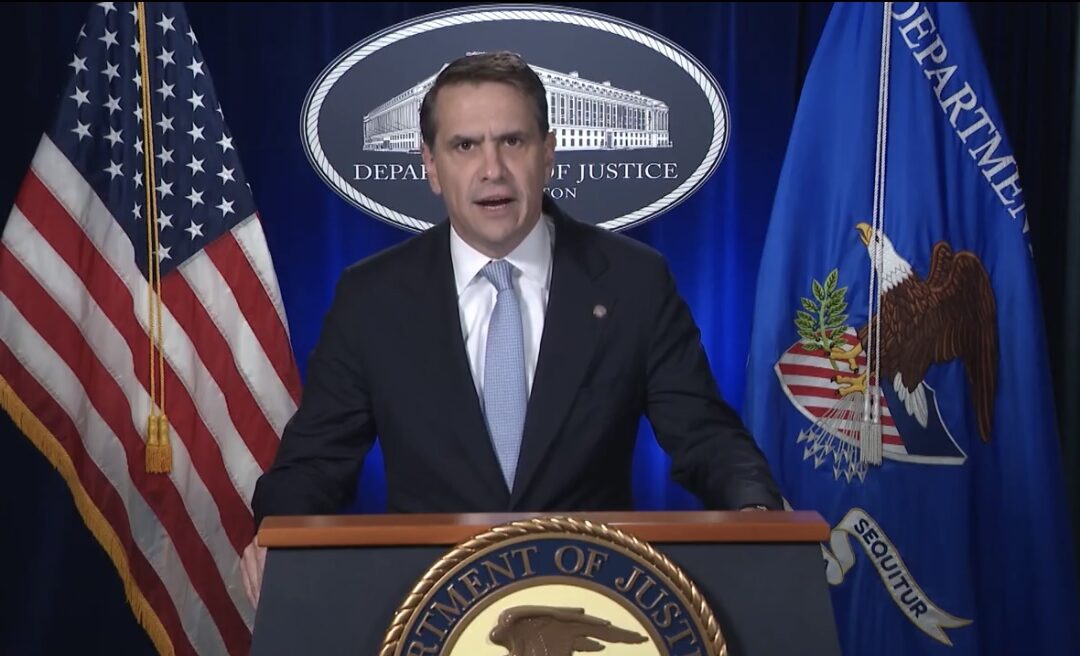

The Justice Department has announced that Attorney General Merrick Garland will not face prosecution for contempt of Congress following his refusal to release audio of Joe Biden’s interview related to the classified documents case. According to the department, Garland's actions “did not constitute a crime.”
The house voted to hold Garland in contempt this week following his refusal to hand over audio recordings, as demanded by a Republican subpoena. On the final day for compliance, the White House invoked executive privilege to block the release of the recordings, accusing Republicans of intending to manipulate them for political gain.
Historically, administrations from both major political parties have maintained that officials asserting executive privilege on behalf of the president cannot be prosecuted for contempt of Congress, the Justice Department official noted in a communication with Republicans last month.
The House's 216-207 vote was strictly along party lines, with Republicans supporting the contempt resolution despite some hesitations among centrist members.
Only one Republican, Representative David Joyce of Ohio, voted against it.
Garland has now become the third attorney general to be held in contempt of Congress. It is no surprise that the Justice Department, which Garland oversees, would choose not to prosecute him.