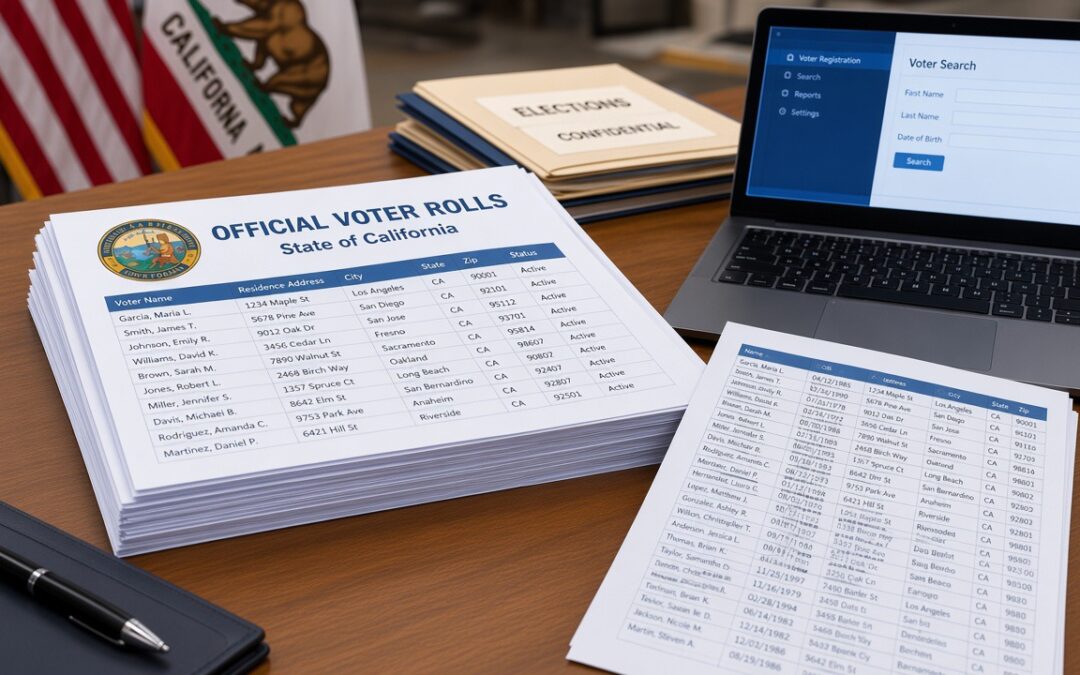

The Supreme Court has allowed Virginia to proceed with removing roughly 1,600 alleged noncitizens from its voter rolls, just days before the 2024 election. In a ruling on Wednesday, the high court paused a lower court’s order blocking Virginia’s August-launched program, which purges unverified noncitizens from registration lists.
The program, initiated exactly 90 days before Election Day, was deemed in violation of the National Voter Registration Act’s (NVRA) “Quiet Period Provision,” which prohibits systematic voter purges within 90 days of a federal election.
Justices Sonia Sotomayor, Elena Kagan, and Ketanji Brown Jackson dissented, saying they would have denied the state’s request.
Virginia officials argued the district court’s order infringed on state sovereignty and caused logistical challenges, including voter confusion and administrative overload. “The injunction will harm Virginia’s sovereignty, confuse her voters, and likely lead noncitizens to think they are permitted to vote,” they stated, stressing that allowing noncitizens to vote is a criminal offense.
The controversy follows a lawsuit from the Justice Department earlier in October challenging Virginia’s process, which stems from an executive order by Governor Glenn Youngkin. His order formalized a program to remove unverified noncitizens from voter rolls based on Department of Motor Vehicles (DMV) data, changing data reporting frequency from monthly to daily.
The Justice Department argued that Virginia’s program disrupts the voter protection “quiet period” meant to prevent accidental disenfranchisement of eligible voters and allow time to correct errors. The preliminary injunction issued last Friday by U.S. District Judge Patricia Giles ordered the restoration of the registrations of nearly 1,600 individuals affected by the purge, citing probable violations of the NVRA.
The Fourth Circuit Court of Appeals upheld the district court’s injunction on Sunday. The court questioned the state’s assumption that those removed were indeed noncitizens and emphasized that some individuals affected by the purge are eligible voters.
Virginia officials maintain that the “Quiet Period Provision” does not apply to noncitizens, arguing that the program includes notifications to those identified as noncitizens, allowing them 14 days to verify their citizenship. They contended that the DOJ’s last-minute intervention disrupts longstanding processes and causes unnecessary confusion.
In a filing, Solicitor General Elizabeth Prelogar stated that the district court’s order applies “only to a discrete set of identified voters,” allowing Virginia to continue other measures to ensure noncitizens do not vote. She warned, however, that without the injunction, eligible voters could face unjust barriers to voting.
This case mirrors a similar DOJ lawsuit in Alabama, where a federal judge recently halted a voter purge program that mistakenly flagged over 2,000 eligible voters as ineligible, ordering the state to reinstate their registration status.