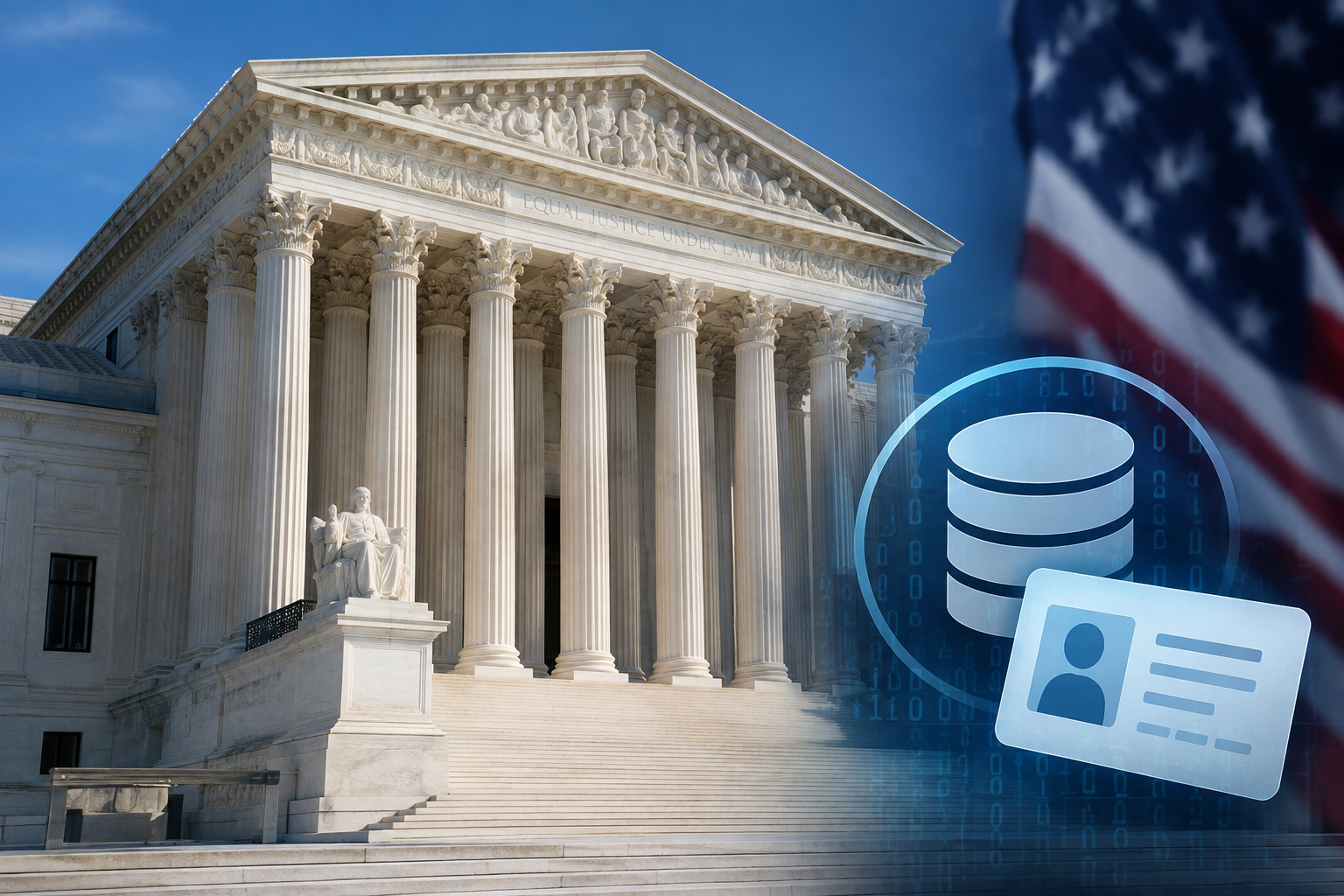
The Supreme Court on Friday granted the federal government’s request to keep a modified voter-verification program in place while lower courts continue to review a challenge to it.
The program, known as SAVE (Systematic Alien Verification for Entitlements), has long allowed state and local agencies to check the citizenship and immigration status of people applying for public benefits. In 2025, President Trump’s March executive order directed the Department of Homeland Security to put systems in place so election officials could also use it to verify the citizenship of registered voters and people registering to vote. The changes let officials run bulk searches and cross-check records from the Social Security Administration, including Social Security numbers.
Several organizations, including the League of Women Voters and the Electronic Privacy Information Center, sued. They argued the expanded program violated confidentiality rules in the Social Security Act, privacy protections in the Privacy Act of 1974, and requirements of the Administrative Procedure Act. A federal district court in Washington, D.C., agreed and ordered the modified program shut down. The D.C. Circuit Court of Appeals declined to pause that order while the government appealed.
The Supreme Court, in an unsigned opinion, stayed the district court’s order, concluding that the government had made the required showing that it is likely to succeed in its appeal. They pointed to a 1996 federal law, 8 U.S.C. §1373, which says that no government entity may prohibit or restrict the sharing of citizenship or immigration status information with the Department of Homeland Security “notwithstanding any other provision of Federal, State, or local law.” The Court concluded this language likely overrides the privacy restrictions the plaintiffs relied on.
The Court also found that the government would face irreparable harm if the program remained blocked, because federal law requires the government to respond to state and local requests for citizenship verification. While a separate law limits systematic voter-roll cleanups in the 90 days before federal elections, individualized checks remain allowed, and the lower-court order prevented those as well.
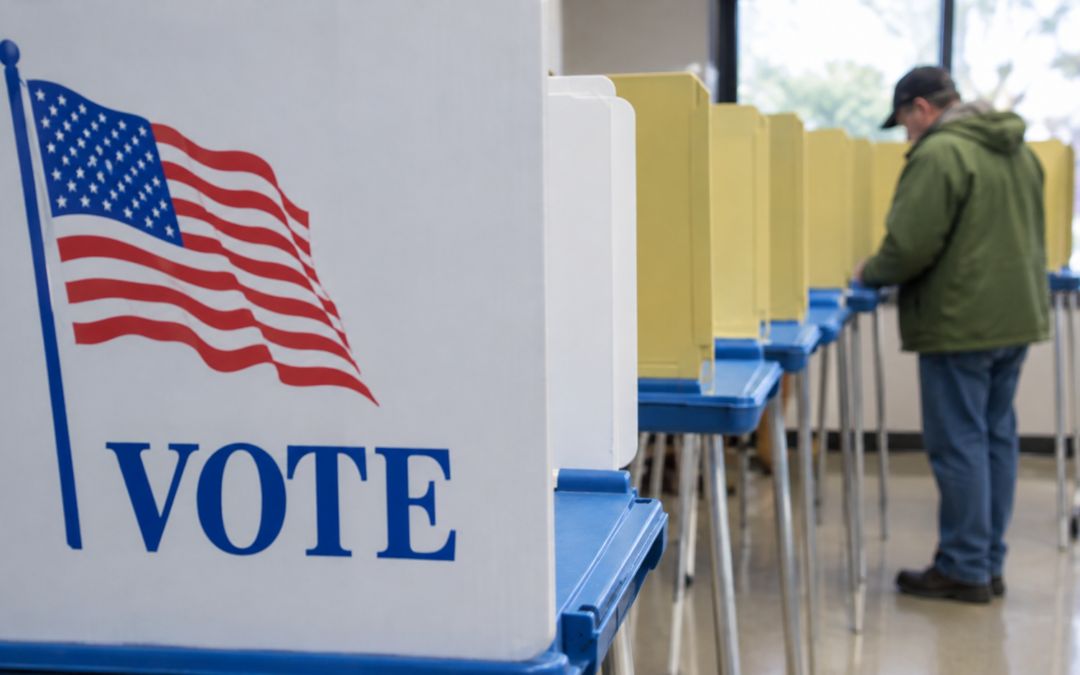
The ruling allows the Trump administration to resume using the expanded SAVE system to assist states with voter-citizenship checks ahead of the November midterm elections. Justices Sonia Sotomayor, Elena Kagan, and Ketanji Brown Jackson dissented.