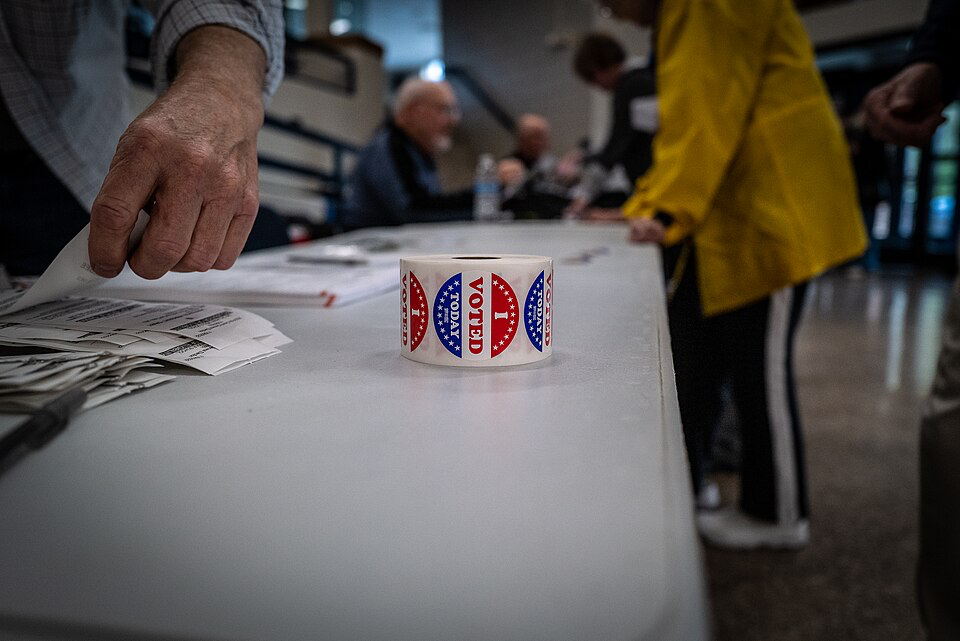

Judicial Watch has filed a petition for a writ of certiorari with the United States Supreme Court, seeking to overturn a decision by the U.S. Court of Appeals for the Seventh Circuit in a case involving Illinois’ extension of Election Day for vote-by-mail ballots.
The case was brought on behalf of Congressman Mike Bost and two Illinois presidential electors, challenging the state’s law that allows vote-by-mail ballots to be counted up to 14 days after Election Day.
The lawsuit, filed on May 25, 2022, argues that Illinois’ policy violates federal law, which defines Election Day as the first Tuesday after the first Monday in November of even-numbered years. According to the initial complaint, “Despite Congress’ clear statement regarding a single national Election Day, Illinois has expanded Election Day by extending by 14 days the date for receipt and counting of vote-by-mail ballots.”
Federal Law Versus State Policy
Illinois election law permits vote-by-mail ballots received up to two weeks after Election Day to be treated as if they were cast and received on or before Election Day. The law also stipulates that ballots without postmarks can be counted if received within the 14-day window and are dated on or before Election Day.
Judicial Watch’s petition notes a recent decision by the Fifth Circuit Court of Appeals in a separate case, which ruled that counting ballots received after Election Day is unlawful. The Illinois case, however, was dismissed by the Seventh Circuit on the grounds that Congressman Bost lacked standing, despite his claims of increased costs and injuries resulting from the extended ballot-counting period.
Judicial Watch’s Call to Action
Judicial Watch President Tom Fitton criticized the courts for denying Bost the opportunity to challenge the law.
“It is a scandal that the courts would deny a federal candidate the ability to challenge an election provision that could lead to illegal votes being cast and counted,” Fitton said. He further argued that Illinois’ policy undermines federal law, violates voters’ civil rights, and opens the door to potential fraud.