
The Trump administration is intensifying its opposition to Europe’s digital regulations, launching a broad campaign that frames the European Union’s content moderation laws as a threat to free expression and U.S. commercial interests. The effort is centered on the EU’s Digital Services Act (DSA), which imposes new obligations on major digital platforms—many of them American—to manage risks like “disinformation” and illegal content.
Driving much of the U.S. response is the State Department, which recently instructed its European offices to gather “examples of government efforts to limit freedom of speech,” according to internal documents reviewed by The Wall Street Journal. A separate communication declared that the United States “is committed to shutting down the global censorship-industrial complex,” signaling the administration’s stance that the DSA represents a significant overreach.
Trump officials argue that because the internet is inherently borderless, speech restrictions adopted in the EU could end up influencing content policies globally, including in the U.S. This concern has prompted a coordinated response across the administration. In February, President Trump directed the Secretaries of Treasury and Commerce, along with the U.S. Trade Representative, to examine whether the EU or the U.K. had coerced U.S. firms into restricting speech or moderating content in ways that conflict with American values, and to recommend possible countermeasures.
The administration’s diplomatic push has included formal objections to European institutions. In April, U.S. diplomats told the Organization for Security and Cooperation in Europe that Washington was “troubled by European efforts to use the Digital Services Act and other means to penalize free speech platforms that refuse to censor content.” That previously undisclosed statement warned that the U.S. would act to prevent American companies from being “strong-armed into enforcing a European censorship regime.”
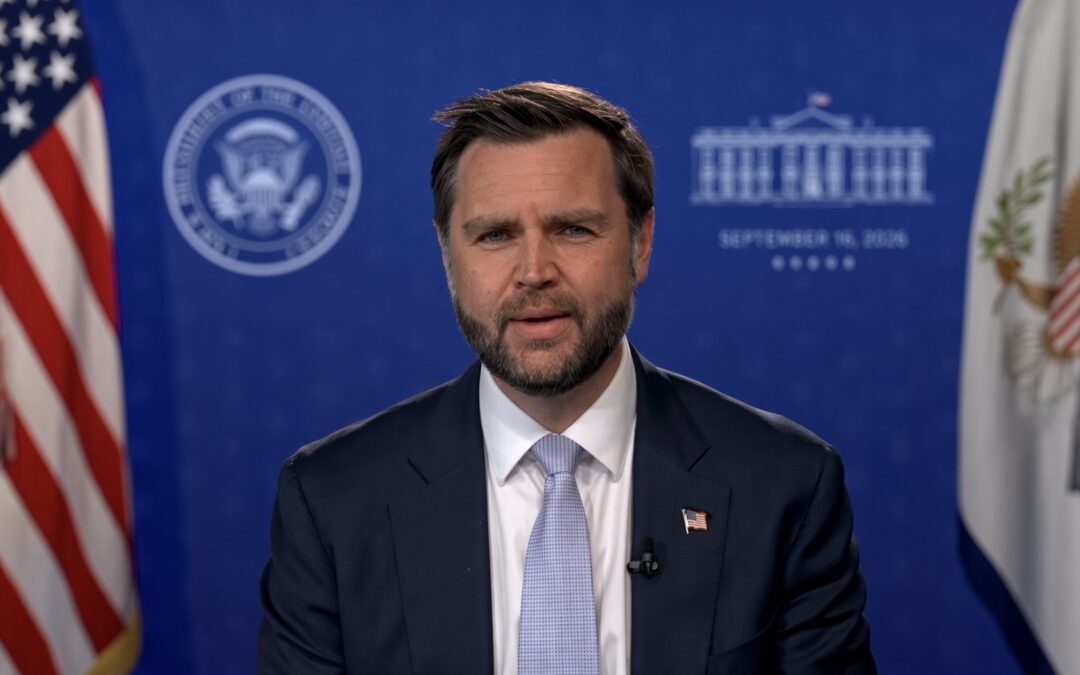
The campaign also draws on public messaging. Vice President JD Vance, in a speech in Munich earlier this year, accused EU officials of acting like “commissars” in their approach to regulating online discourse. The State Department’s Bureau of Democracy, Human Rights and Labor echoed those sentiments on social media, saying the U.S. is “deeply concerned about efforts by governments to coerce American tech companies into targeting individuals for censorship.” The bureau has been directed to prepare a formal condemnation of the DSA, according to department communications reviewed by the Journal.