TikTok urged a federal appeals court on Thursday to overturn a U.S. law requiring its China-based parent company, ByteDance, to sell its U.S. assets or face a ban. The social media app claimed that the U.S. Department of Justice has misstated its ties to China, leading to an erroneous conclusion about national security risks.
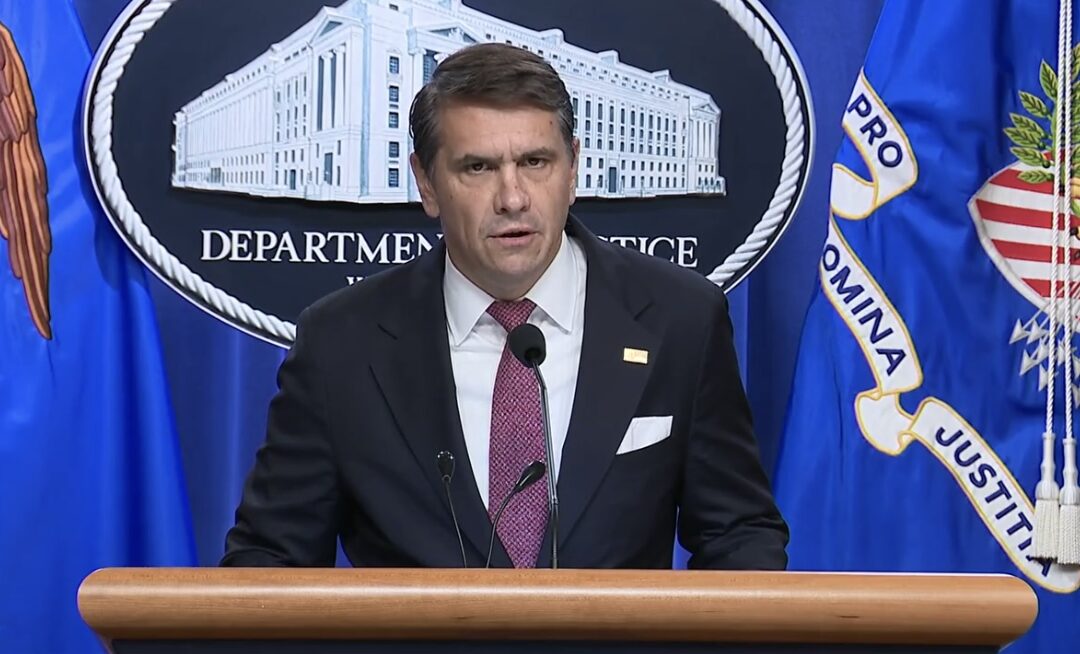
TikTok, which has filed a lawsuit to overturn the law, argued that the Justice Department has made factual errors in the case. Last month, the department’s lawyers asserted that TikTok poses a national security threat, alleging that the Chinese government could use the app to collect data on Americans and covertly manipulate the content they see.
However, TikTok maintained that its content recommendation engine and user data are stored on U.S.-based cloud servers operated by Oracle, and that content moderation decisions affecting U.S. users are made domestically.
The law in question, signed by President Joe Biden on April 24, gives ByteDance until January 19 to sell TikTok or face a ban. The White House has expressed a preference for ending Chinese ownership of the app on national security grounds but does not advocate for an outright ban on TikTok.
Oral arguments in the legal challenge are scheduled for September 16, just weeks before the November 5 presidential election. Notably, Republican presidential candidate Donald Trump, who joined TikTok in June, has stated that he would not support a ban on the app. Vice President Kamala Harris, the Democratic presidential candidate, also joined TikTok in July and has integrated social media into her campaign strategy.
TikTok also argued that the law would infringe on its free-speech rights, countering the Justice Department's assertion that the app's content curation decisions are “the speech of a foreigner” and thus not protected by the U.S. Constitution. TikTok pointed out that under the government's logic, a U.S. newspaper republishing content from a foreign publication, such as Reuters, would also lack constitutional protection.
The law prohibits app stores like Apple and Google from offering TikTok and prevents internet hosting services from supporting the app unless ByteDance divests its ownership. The measure, driven by concerns among U.S. lawmakers about potential Chinese surveillance through the app, passed through Congress with overwhelming support just weeks after it was introduced.