The election board in Georgia’s largest county voted on Tuesday to certify its May 21 election results, though one Republican-appointed member abstained from the vote.
Fulton County election board member Julie Adams chose to abstain, in line with her ongoing lawsuit that seeks greater control over election operations and a legal determination allowing county election boards to refuse certification of election results.
In a prepared statement, Adams explained her abstention, citing previous election administration issues in the county and claiming that the board had unlawfully delegated its powers to employees.
“It’s time to fix the problems in our elections by ensuring compliance with the law, transparency in election conduct, and accuracy in results, and as a board member, it is my duty to ensure that happens.” Adams said.
The other four members voted to certify the results.
At the center of the debate is a provision in Georgia law stating that county officials “shall” certify results after verifying their accuracy.
The lawsuit, supported by the Trump-aligned America First Policy Institute, argues that county election board members have the discretion to reject certification. The consequences of a county refusing to certify are unclear, but the dispute would likely end up in court.
A drawn out legal battle following the November general election could delay Georgia's ability to award its 16 electoral votes on time or prevent officials, including county sheriffs and state legislators, from taking office in January.
Adams requested temporary relief from Fulton County Superior Court Judge Ural Glanville before Tuesday's vote to certify the May 21 primary, but the judge has not yet acted. The lawsuit, filed against the Fulton County Board of Registrations and Elections, of which Adams is a member, has not yet been answered by the board.
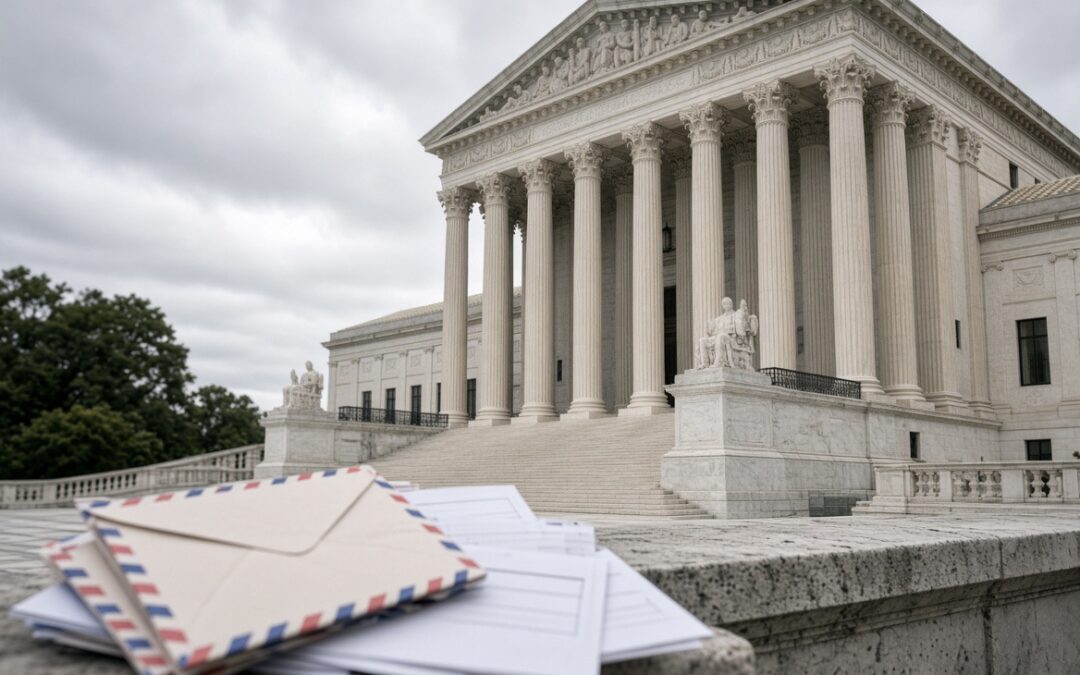
The lawsuit cites a list of materials that Adams argued she should have access to before voting on certification. During Tuesday's proceedings, the board voted to grant its members access to at least one of the items demanded in the suit—envelopes used by voters to mail their absentee ballots to the county.
Adams further contends that the board must take back its powers from its employees, including the director.
Some other documents requested in the suit may have been provided as well. However, county spokesperson Jessica Corbitt-Dominguez declined to provide a complete list, stating only that the staff “provided extensive documentation to board members in order to answer their questions about the May 21 primary election.”