A new report reveals that Dr. Anthony Fauci's former department misled Congress about its plans to create a highly transmissible and lethal monkeypox virus with pandemic potential. The National Institute of Allergy and Infectious Diseases (NIAID), along with the NIH and the Department of Health and Human Services (HHS), proposed in 2015 to develop a more dangerous strain of monkeypox (Mpox) while Dr. Fauci was in charge.
The proposal was approved, but officials falsely claimed to lawmakers that the research had never received authorization. Concerns about this research emerged in late 2022, following NIAID scientist Dr. Bernard Moss’s public discussion of the high-risk experiments.
The House Energy and Commerce Committee launched an investigation that spanned over a year and a half. Their report, released this week, criticized the HHS, NIAID, and NIH, labeling their actions as “unacceptable and potentially criminal.” The report also accused these agencies of repeatedly obstructing and misleading the committee regarding the approval and conduct of the experiments.
The report concluded that NIAID, a branch of the NIH, could not be trusted to responsibly oversee research on dangerous pathogens. It highlighted that the agency was not reliable in assessing the biosafety risks or public health threats posed by potential pandemic pathogens.
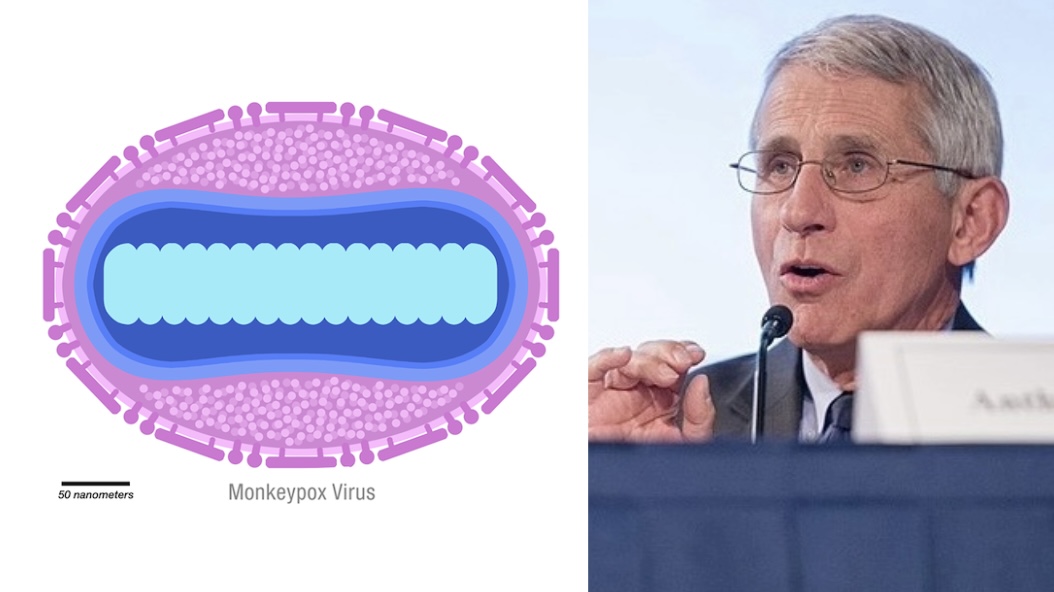
Monkeypox, related to the smallpox virus, causes rash and flu-like symptoms and led to a global outbreak in 2022, infecting tens of thousands. There are two types of monkeypox viruses: Clade I, which causes severe illness and has a high mortality rate, and Clade II, which caused the 2022 outbreak and is more transmissible but less severe, with nearly all infected individuals surviving.
In October 2022, Dr. Moss disclosed that a team of scientists intended to insert genes from the more lethal Clade I Mpox into Clade II, creating a hybrid strain potentially more deadly and contagious. Investigators classified this as gain-of-function research, which involves creating more dangerous and transmissible viruses and is suspected to have contributed to the emergence of Covid-19.
The new Mpox virus was estimated to have a fatality rate of up to 15 percent and a reproductive rate of 2.4, indicating significant pandemic potential.
The committee’s investigation, which started in October 2022, faced resistance from the agencies involved, who only provided necessary documents in March 2024 after being threatened with subpoenas. These documents confirmed that the experiments had been approved.
In response to the findings, investigators recommended establishing an oversight board to review NIAID-funded research on dangerous pathogens and transferring the final approval for gain-of-function research from NIAID to an independent entity.