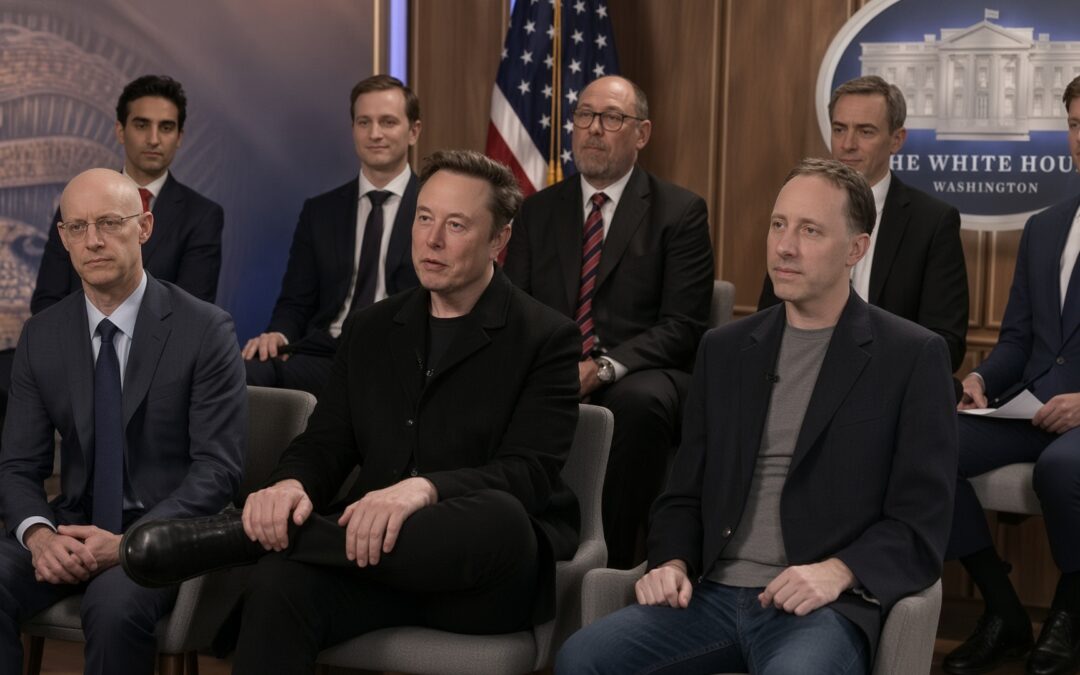

Elon Musk has alleged that the European Union attempted to blackmail him into allowing secret censorship on X, directed by Brussels. He further accused other social media platforms of accepting such deals. The accusations surfaced as the EU invoked its new Digital Services Act (DSA), accusing X of violating EU rules and threatening substantial fines.
Musk responded to these allegations by claiming the DSA itself was a source of “misinformation” and revealed that the European Commission had offered X a clandestine deal. According to Musk, the deal proposed that if X quietly censored speech without public acknowledgment, they would avoid fines. Musk insisted that he rejected this offer while asserting that other platforms had accepted similar deals.
Musk tweeted, “The European Commission offered [X] an illegal secret deal: if we quietly censored speech without telling anyone, they would not fine us.” He added, “We look forward to a very public battle in court, so that the people of Europe can know the truth.”
Nigel Farage, Brexit leader, praised Musk's disclosure, stating, “Elon Musk reveals the truth about the EU. What a guy.”
The EU has criticized X for insufficient transparency and non-compliance with rules requiring social media platforms to address “illegal content” and “risks to public security.” The bloc also expressed dissatisfaction with X’s blue check verification system, claiming it does not align with industry standards. If X and Musk do not comply with the EU’s demands, the company could face fines amounting to six percent of its global turnover and could even be banned from operating in Europe.
The DSA, launched last year, promises “an unprecedented level of public oversight” on the internet, placing at least 19 online platforms under its strictest level of regulation by August 25. European Commissioner Thierry Breton, a former French tech executive and key proponent of the DSA, has warned Musk that X could risk a ban in the EU if it reinstates its free speech policies.
Despite the DSA's stated goal of protecting free speech, Breton has previously supported Big Tech's self-regulation efforts, including Twitter’s 2021 decision to ban President Trump. Breton remarked that tech companies have acknowledged their “responsibility, duty, and means to prevent the spread of illegal viral content.”