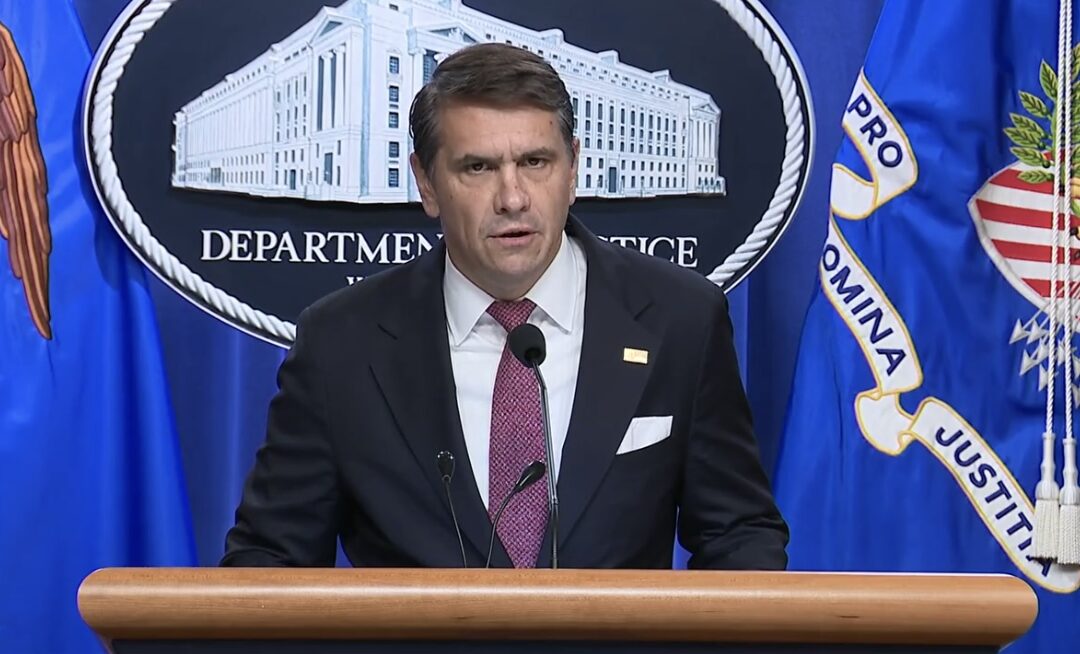

The U.S. Supreme Court’s weekend order halting certain deportations under the Alien Enemies Act (AEA) has drawn sharp criticism from the Justice Department, which labeled the move an “unprecedented injunction” and “fatally premature.”
According to Solicitor General D. John Sauer, the petitioners bypassed the normal appellate process by seeking relief from the high court before allowing lower courts to weigh in.
“This Court is ‘a court of review, not first view,’” Sauer wrote in the DOJ’s Saturday response, arguing that the application “calls for this Court to be the first to resolve due-process challenges” based on a nonexistent record and on behalf of an uncertified class.
The Supreme Court’s order, issued early Saturday morning, came just two weeks after a unanimous April 7 ruling that dissolved a nationwide injunction against summary removals under the AEA. The recent case stems from a legal challenge filed last week by the ACLU in Texas federal court, which questioned the constitutionality of the AEA deportation process. The plaintiffs sought a temporary restraining order and class certification.
On Thursday, U.S. District Judge James Wesley Hendrix denied the restraining order request, citing a DOJ statement that none of the petitioners faced an “imminent risk of summary removal.” While Hendrix reserved judgment on class certification, the ACLU filed an emergency appeal with the Fifth Circuit the following day—an appeal still pending when the plaintiffs brought the matter to the Supreme Court.
In a forceful dissent, Justice Samuel Alito condemned the Court’s decision as rushed and procedurally unsound. He argued that the ruling was issued “literally in the middle of the night” without a response from the government, factual clarity, or lower court input. Justice Clarence Thomas also dissented.
“The Court issued unprecedented and legally questionable relief,” Alito wrote, saying the emergency order was neither “necessary nor appropriate.” He warned that both the executive branch and the judiciary must follow legal procedures, emphasizing that the Court “should follow established procedures.”
The Justice Department mirrored Alito’s concerns in its filing, disputing both the Court’s jurisdiction and the plaintiffs’ claims of imminent deportation. Sauer pointed out that the plaintiffs gave the district court just 42 minutes to respond before appealing, cutting short its ability to rule.
While unable to fully respond before the Court’s ruling, the DOJ said no deportations were underway or scheduled. Sauer noted a government attorney in a separate case told a district judge on Friday that “no such deportations” were being conducted.
“The government has committed to not removing the named petitioners pursuant to the AEA until their habeas proceedings have concluded,” Sauer wrote. He added that AEA detainees receive advance notice before removal and have time to file habeas claims. The DOJ has agreed not to deport anyone who files such a claim, including the putative class members.
Read the 17-page court filing.