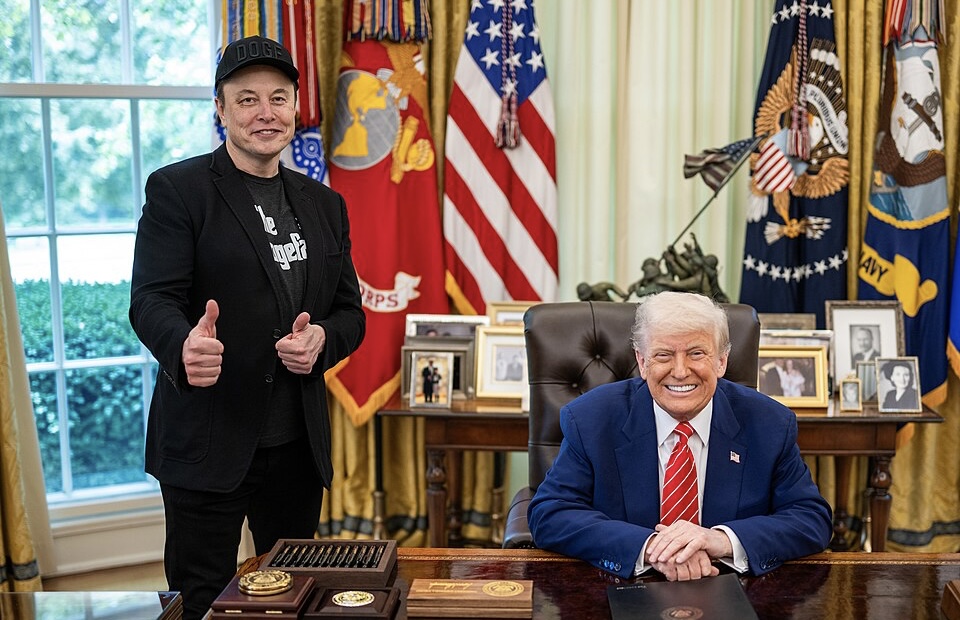

The Department of Government Efficiency (DOGE) is using a new artificial intelligence system to identify and eliminate tens of thousands of federal regulations, aiming to cut Washington’s regulatory mandates in half by the first anniversary of President Trump’s inauguration, according to internal documents and officials familiar with the effort.
The “DOGE AI Deregulation Decision Tool,” as detailed in a July 1 PowerPoint obtained by The Washington Post, is programmed to review around 200,000 federal rules and determine which are obsolete or no longer legally required. Preliminary estimates suggest roughly 100,000 of those could be trimmed—primarily through automation, supplemented by limited staff input. The presentation claims the tool will save the U.S. trillions in compliance costs, reduce the federal budget, and attract new outside investment.
The system has already been used to review over 1,000 regulatory sections at the Department of Housing and Urban Development in under two weeks, and reportedly handled 100% of recent deregulation efforts at the Consumer Financial Protection Bureau. HUD employees confirmed that the tool recently analyzed hundreds—possibly over a thousand—regulatory lines and suggested edits or deletions.
Though early in implementation, the administration plans to train agency staff on using the tool this month, with all agencies expected to submit their initial lists of regulations for repeal by September 1.