U.S. intelligence sharing across federal agencies and with Congress has slowed or temporarily stopped during President Trump’s second term, according to a Reuters investigation citing current and former officials.
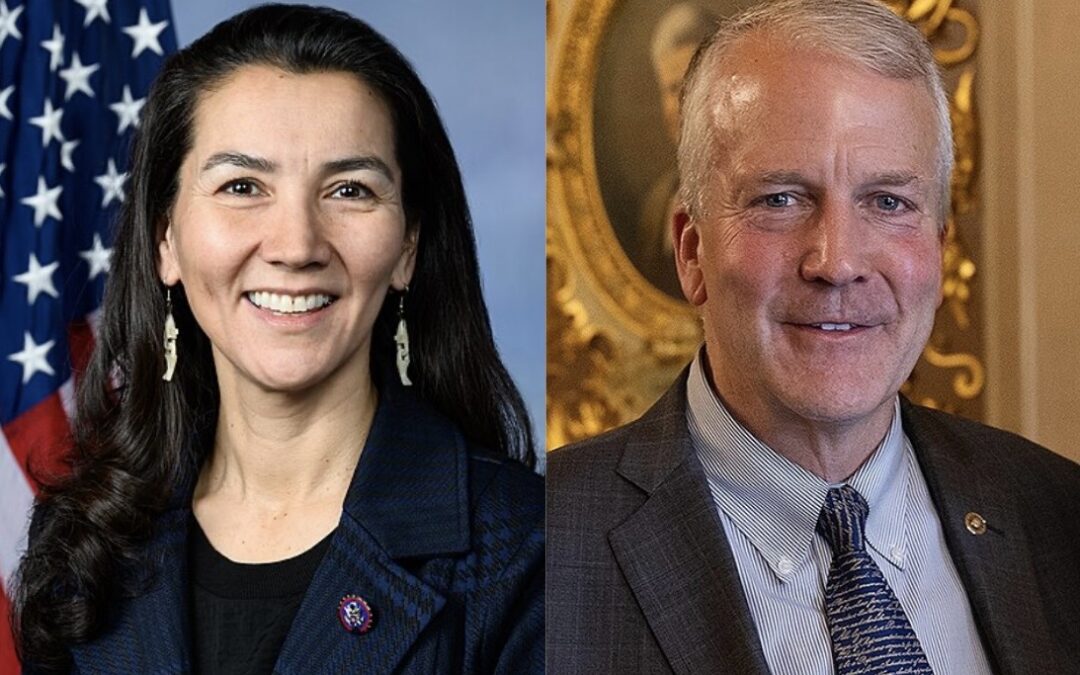
The disruptions have reportedly affected intelligence reporting on Iran, election security and other national security matters. The report claims the breakdown developed during former Director of National Intelligence Tulsi Gabbard’s tenure, when tensions grew between her office and the CIA.
The CIA stopped co-authoring assessments with the National Intelligence Council (NIC), an analytical group within the Office of the Director of National Intelligence (ODNI) that consolidates information from all 18 U.S. intelligence agencies. Although the CIA continued sharing intelligence with the council and collaborating on some reports, it shifted analysts toward producing its own assessments. The NIC also experienced staffing cuts and slowed its report production. Five current and former officials told Reuters that none of its assessments had focused on the war in Iran.
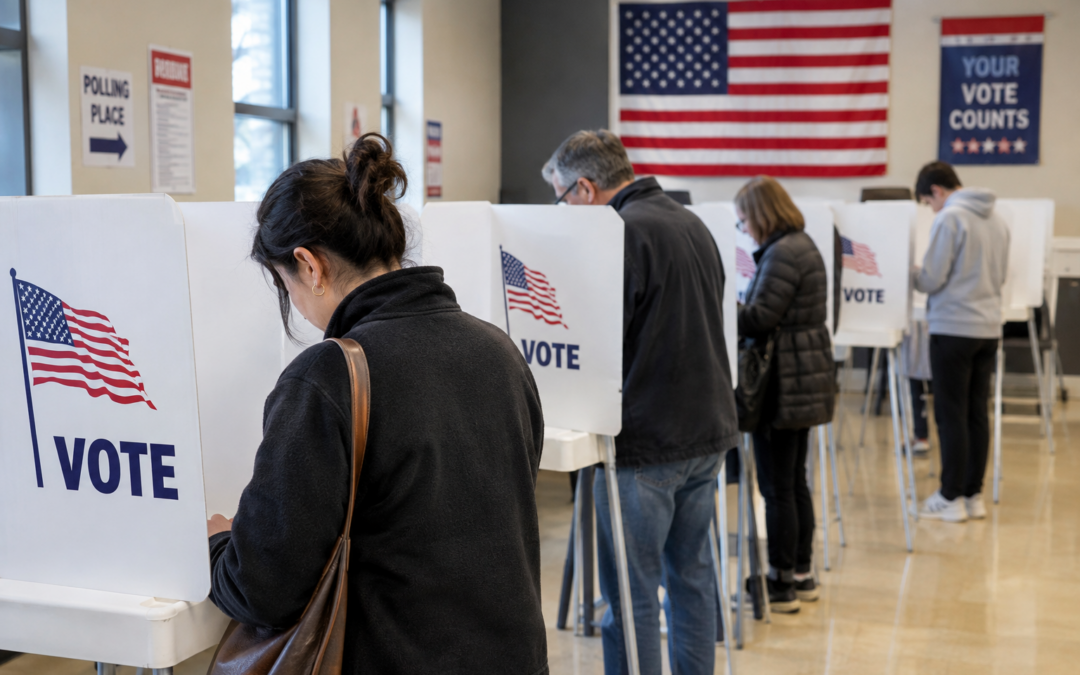
Congressional access to intelligence was also disrupted. Gabbard’s office briefly stopped providing reports to lawmakers and their staffs following the U.S. military intervention in Iran in June 2025 and the capture of former Venezuelan President Nicolás Maduro in January 2026. Her team reportedly accused lawmakers of leaking information to the press. Gabbard’s office also stopped congressional briefings on election security in 2025. Those briefings were later restored by current Director of National Intelligence Jay Clayton after he took office in August.
The dispute between the CIA and ODNI reportedly intensified after Gabbard’s office revoked the security clearances of current and former intelligence officials approximately a year ago. Three former officials said White House Chief of Staff Susie Wiles intervened several times to ease tensions. Officials described the conflict as one of the biggest disputes between federal intelligence agencies in three decades. Staffing and budget reductions at both the CIA and ODNI further affected intelligence operations.
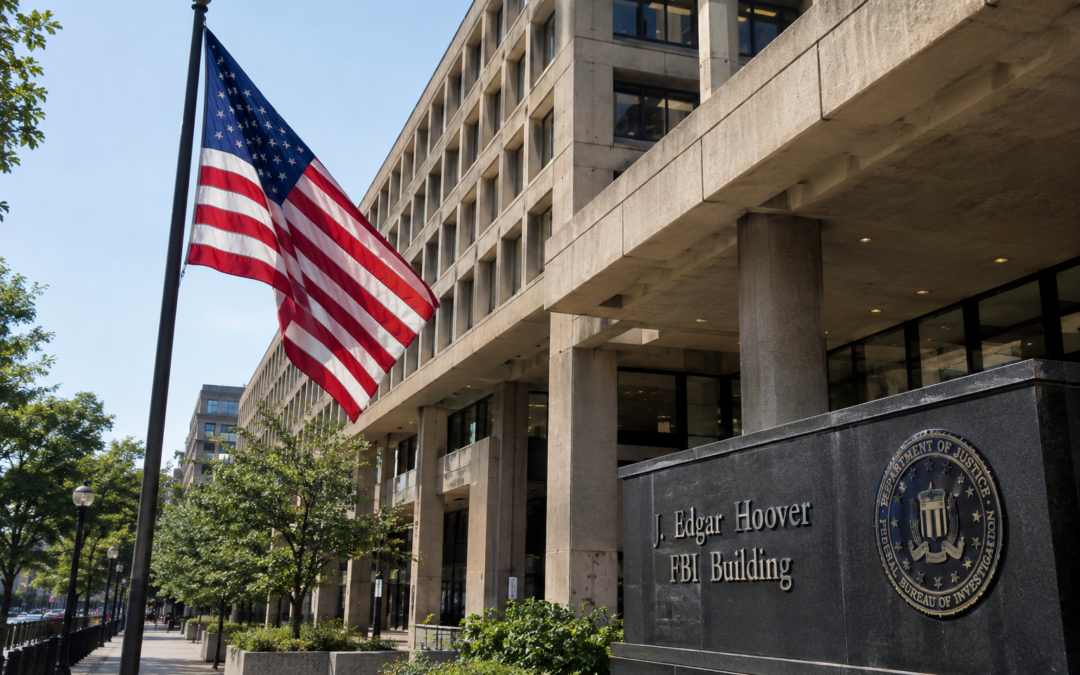
A separate dispute developed between the FBI and the National Counterterrorism Center (NCTC). The FBI temporarily stopped sharing some intelligence with the center for several weeks late last year after then-NCTC Director Joe Kent and his staff attempted to investigate the shooting of Turning Point USA founder Charlie Kirk. FBI leadership told Kent they believed the center was exceeding its authority.
The CIA said it continues participating in intelligence assessments through the Presidential Daily Brief and the National Intelligence Council. ODNI also said the council has maintained production levels close to historical trends. Although tensions between the CIA and ODNI have eased since Gabbard’s departure in June, problems stemming from the dispute remain.