
Nicolás Maduro has extended an offer to the United States, suggesting his experience in combating crime could help address internal security concerns—an issue expected to be central for president-elect Donald Trump. The Venezuelan president revealed that he had previously proposed a similar agreement to the Biden administration but received no response.
“This government [Biden’s] did not want to work seriously. I proposed cooperation to combat criminal gangs. With our experience in achieving peace and stability and freeing Venezuela from these gangs, we could collaborate with the U.S. government and society to promote peace and internal security. We have always been willing, and we still are,” Maduro stated during his television program Con Maduro +.
Maduro’s message comes during a period of uncertainty regarding the future relationship between his government and the incoming Trump administration, particularly following Venezuela’s contested July 28 presidential election. While Maduro’s Chavista regime claims victory, much of the international community has refused to recognize the results due to allegations of widespread electoral fraud.
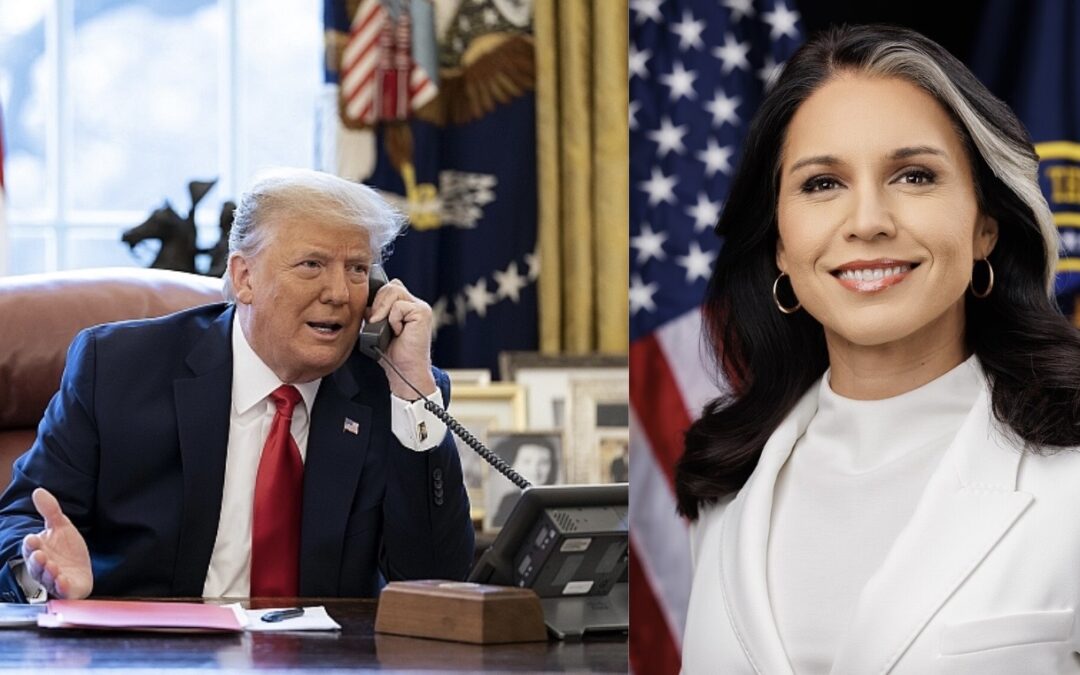
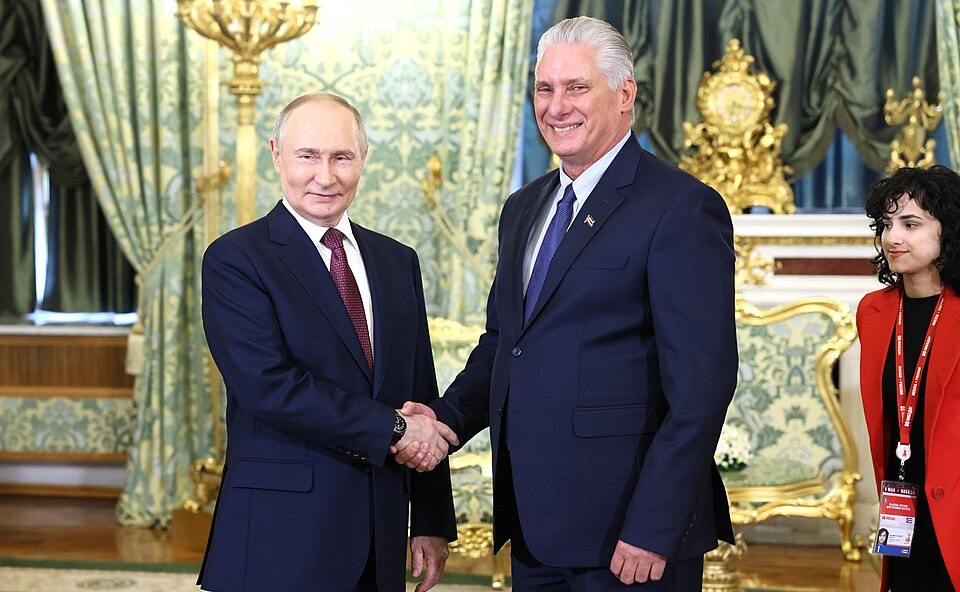
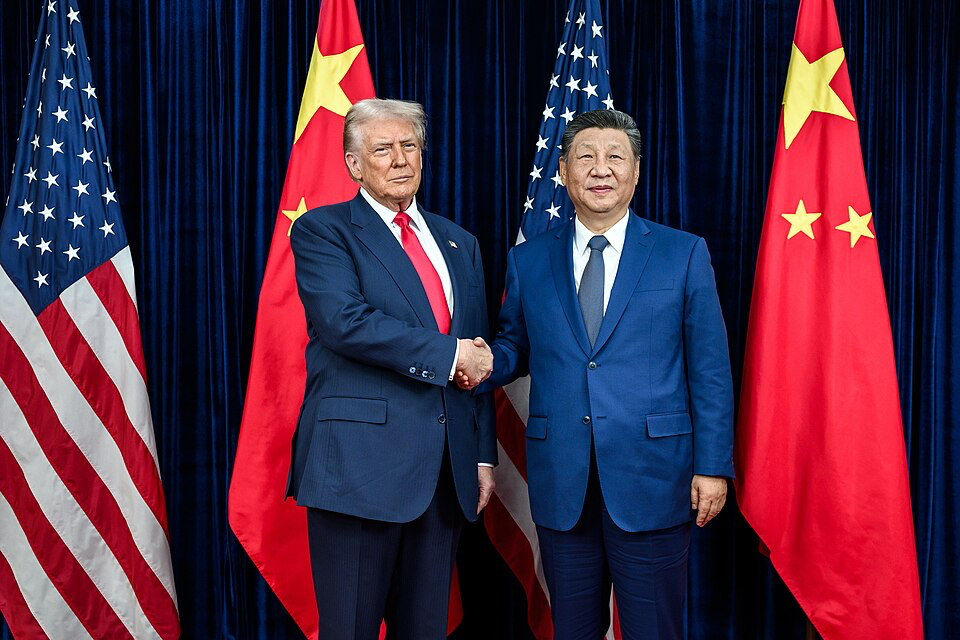
Trump’s current stance on Venezuela remains unclear. During his first term, Trump supported opposition leader Juan Guaidó as a parallel president, an initiative that ultimately failed. Publicly, Trump has been highly critical of Maduro’s regime, but according to advisers, he privately admires Maduro as a “strongman”—similar to other leaders Trump respects, such as Russia’s Vladimir Putin and Turkey’s Recep Tayyip Erdogan. Reports from the Wall Street Journal suggest that some of Trump’s oil industry allies are pushing for negotiations with Maduro to exploit Venezuela’s vast oil reserves while potentially deporting thousands of Venezuelan migrants who have entered the U.S. in recent years.
Maduro has reached out directly to Trump: “To those in the U.S. concerned about this issue, we modestly offer our expertise. In 2025, as Diosdado [Cabello] says, we’ll be in an even better position to crush criminal and extortion gangs, advancing further in securing peace for Venezuelans.” Diosdado Cabello, Venezuela’s Interior Minister and Maduro’s second-in-command, attributes the country’s reduced crime rates to effective security forces. According to official reports, violent deaths have decreased in 2022 and 2023. “Criminal gangs tried to destabilize the country by assaulting prisons, but thanks to our military, popular, and police intelligence, we are always three steps ahead,” Maduro added.
However, a report from the regional NGO InSight Crime offers a different perspective. It attributes the crime reduction to mass migration, noting that over five million Venezuelans have left the country in recent years. The report also points out that major gangs like Tren de Aragua and The Meleán have shifted operations to other Latin American countries, infiltrating Venezuelan diasporas.
Maduro also addressed a recent opposition demonstration in Caracas, which drew a modest turnout. Edmundo González Urrutia, the opposition candidate who many believe won the July election and is currently exiled in Spain, stated that he would return to Caracas on January 10, 2025, to take office. In response, Maduro dismissed the claim: “Edmundo, if you can’t even attend a march in Madrid near the palace where you live, will you really come to Venezuela? How long will this farce continue? You will end up in the garbage dump of history.”